Thursday, August 23, 2018

Ad Blockers Gain Mobile Ground

SEEING ADS?

Ad blockers are nothing new...yet they're only beginning to be a factor in the world of mobile marketing. One objection is that ads and digital tracking increase the time needed for websites to load. Another objection is loss of privacy and who gets to use the digital footprint of a consumer's online behavior.

Recognizing that consumers want alternatives, Verizon, for instance, has ad-blocking capabilities for mobile users on its new Wi-Fi service.

Similarly, Google's Chrome desktop and mobile browsers have an add-in feature to block ads that repeatedly violate the Better Ads policies.

Microsoft tested the use of AdBlock Plus (a popular add-in blocker) for its Edge browser used on Android mobile devices. Now it has adopted the blocker as part of the Edge browser.

The new browser Brave also includes ad-blocking capabilities, both for mobile and desktop users. In fact, Brave blocks ads by default--which means consumers must opt into any digital tracking if they wish. In the past, the usual situation was "opt out," meaning consumers would be tracked unless they specifically asked not to be tracked.

The trend toward ad blockers affects many advertisers and publishers. Fewer eyeballs translate into lower revenue...and the possibility that, in the future, more websites will request or require payment. One of the pioneers of a paywall was the Wall Street Journal, which has been charging for print and online access (mobile or not) for two decades. Will more consumers be willing to pay for known quality and trusted sites?

Wednesday, August 15, 2018

Vanilla Shortage Is Back on the Menu

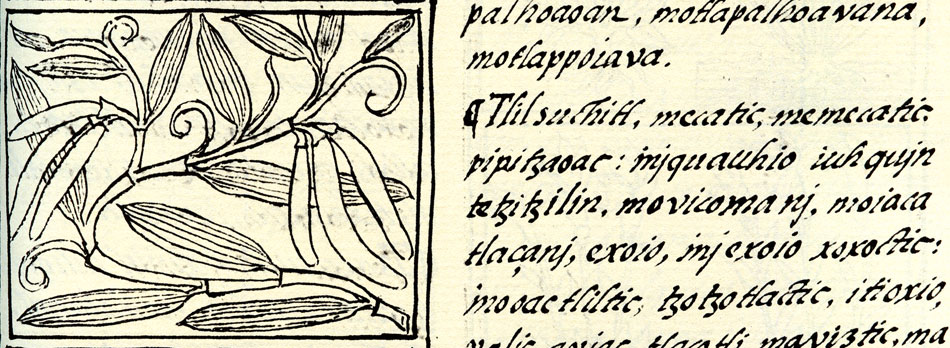
https://en.wikipedia.org/wiki/Vanilla#/media/File:Vanilla_florentine_codex.jpg
Six years ago, a vanilla shortage was making headlines and pushing up prices of baked goods, ice cream, and other products that incorporate vanilla as a key ingredient. And that wasn't the first time: A vanilla shortage also made headlines in 2004.

Now, the shortage is back, due to poor crop harvests in Madagascar, where much of the world's vanilla is grown. Although the shortage is not as bad as originally feared, it is causing headaches for marketers that must use vanilla in their recipes. "Eighty per cent of the market is industrial vanilla, and that's what drives the pricing," says a senior exec of one vanilla import firm. In other words, consumers aren't the big buyers--businesses are the big buyers of this key ingredient.

As a result of the shortage, some businesses are raising prices to cover the higher cost of buying vanilla. Ice cream marketers are cautiously increasing prices, for instance. Others are seeking out alternatives, such as "vanilla flavor" rather than "vanilla extract." Watch for more research on vanilla as the world copes with periodic shortages that affect the marketing plans of food businesses, perfume businesses, and others that rely on this key ingredient.

Wednesday, August 8, 2018

Marketing Luxury Car Brands

ACURA . . . LEXUS . . . VOLVO . . . JAGUAR

It's not always obvious who owns which car brands marketed in the United States, which is why Consumer Reports recently published a listing indicating ownership, brand by brand.

Take Acura, the luxury car brand owned by Honda. The separate brand was designed to differentiate those luxury vehicles from other cars and SUVs marketed under the Honda brand. And, in fact, Acura has proven to be a success, with solid sales figures for new crossover vehicles in particular.

Similarly, Lexus is the luxury car brand owned by Toyota, again differentiating those upscale vehicles from the rest of the product portfolio. And again, Lexus has proven successful, currently diversifying its targeting through product placement in Black Panther and through other marketing initiatives.

Volvo has been owned by Zhejiang Geely Holding Group, a Chinese firm, for the past decade. It's an established upscale brand with vehicles made in Sweden, China, and the U.S. With record sales so far this year, the company's largest market is, actually, China.

Owned by Tata Motors, Jaguar is another well-known luxury brand, currently trying new product ideas for the next generation of "green" car lovers. The Jaguar I-Pace is all-electric and styled differently from other vehicles in the brand portfolio. Will it resonate with consumers who know the traditional Jaguar luxury brand image for elegance and performance?

Wednesday, August 1, 2018

Bucking the Trend of a Shrinking Retail Presence

Even as so many retailers contract their physical presence, TJX is expanding with new stores in many of its retail brands. It owns TJ Maxx, Home Goods, Sierra Trading Post, Marshalls, and HomeSense (all in the US). Its Canadian brands include Winners, HomeSense, and Marshalls. These are off-price retailing brands, with a "treasure hunt" sensibility and lower-than-traditional-stores pricing.

Home Goods is opening stores from the Atlantic to the Pacific. Above, the grand opening day of one store, where the line to check out reached from front to back of the store for the first three hours. Before the opening, inventory was stocked neatly on shelves and attractive display platforms. Even as shoppers poured in, stock was neatened and replenished.

Wisely, Home Goods had lots of extra employees on hand to answer questions, direct shoppers to the right aisle, and direct cart traffic to keep lines moving quickly and efficiently all day. With a TJMaxx just down the road from this new store, local shoppers were already familiar with the kinds of discounts and merchandise they would find.

Another wise move: Leveraging brand synergy by putting two retail names together under one roof. Home Goods is going in with Marshalls in several sites, capturing more shoppers and, hopefully, more wallet share. This makes sense because all of the TJX brands are known for discount pricing.

The bottom line is, apparently, consumers' bottom line: Lower prices, and the opportunity to grab a bargain, will attract shoppers and keep them coming back periodically.


Monday, July 23, 2018

Polishing the Brand via Corporate Citizenship

Being a good corporate citizen is a good way to polish any brand or company name. So many stakeholders pay attention when companies pursue social responsibility agendas.

For example, Time Warner Cable and Samsung are sponsors of the Space Shuttle Pavilion at New York's Intrepid Sea, Air, and Space Museum. Thousands of visitors see those logos and names as they enter the pavilion, adding to the goodwill of these well-known firms.

In the past, some argued against this kind of expenditure, saying that the point of corporations is to be profitable. Today, many recognize that good corporate citizenship is quite compatible with profitability goals. Remember, corporations and brands serve multiple stakeholders, not just investors.

In fact, one survey in Canada showed that people actually want corporate management to take the lead in socially-responsible actions. So when a company or brand is publicly honored for good citizenship, local residents and customers alike can feel proud of their association with it.

Friday, July 13, 2018

Payment Trend: Cashless Restaurants

A small but growing number of U.S. restaurants are going cashless--meaning they accept only credit/debit cards or electronic payments such as Apple Pay.

Why? According to restaurant owners interviewed by Visa, the benefits are:

  • Many Millennials prefer cashless transactions
  • Handling cash takes time and costs the restaurant money
  • Transactions are faster, reducing wait times
  • No cash means higher security and lower risk 
Not so very long ago (at least in marketing eras), some restaurants were cash-only, not wanting to pay merchant fees to accept Visa, MasterCard, American Express, and other plastic. Now Visa has actually offered restaurants a cash bonus to go cashless.

One disadvantage to consider is whether cashless restaurants will be unable to serve the market of people who, by choice or by economic situation, are cardless.

On the other hand, the increased popularity of Starbucks Mobile Pay, Apple Pay, Samsung Pay, and other payment apps indicates that there is a definite market of people who prefer mobile transactions.

Monday, July 9, 2018

Delta Involves Customers with Social Media

Delta Airlines is using the visual power of social media to involve customers in its brand and to communicate the extent of its services.

Above, Delta's official Instagram account, which invites customers to "share your travel pics" along with the hashtag #Delta. With 716k followers, and lots of stunning travel images to enthrall and inspire, the airline is encouraging two-way communication via Instagram. Note the brand logo in the header, a good way to reinforce and support other marketing efforts for synergy.

The airline's official Twitter account has nearly 1.5 million followers and 750k tweets in 11 years of participation. It announces travel alerts, promos, community activities, and more via Twitter.

Delta's official Facebook page has more than 3mm likes and lots of visually-interesting informational and promotional content, such as new designer uniform photos and new destination photos.

Delta also uses hashtags for promotional purposes. One recent promo, "Pilot Talk Sweepstakes," invites the public to enter and win a free trip to the Delta destination of their choice by spelling out the city or country using "pilot talk" alphabet ("A" is "Alpha," "B" is "Bravo," etc.). Of course #pilottalksweepstakes is the hashtag.

Monday, July 2, 2018

Creative Advertising with Benefits

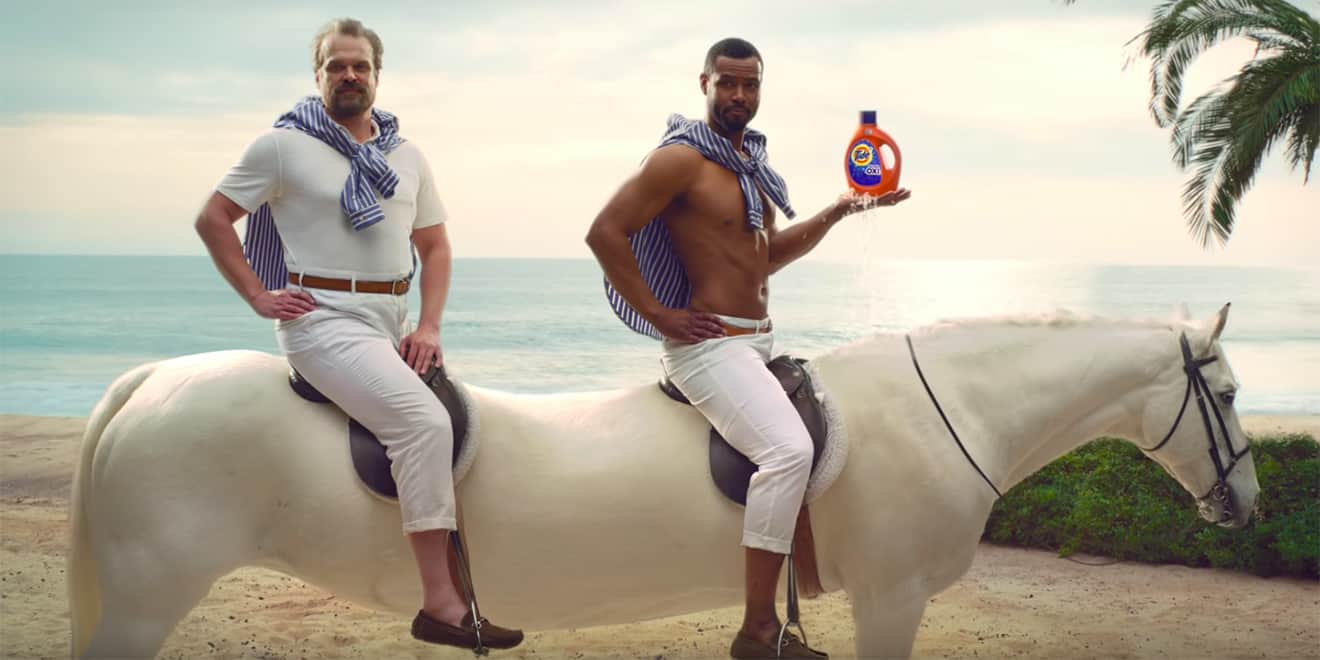
Last month, Procter & Gamble's SuperBowl campaign "It's a Tide Ad" won big at the Cannes Ad Festival. "Tide Ad is very hard-working, classic marketing but refreshed as if we were inventing that today," said one of the jurors.

If you didn't see the ad pictured above, you can see it here. Join the more than 5 million YouTube viewers who've clicked to see it.

The complete campaign is both classic and newly creative (explaining the big win at Cannes). One of the twists is that the ads appeared to be hijacking other ads during the SuperBowl until...well, the reveal is: "It's a Tide Ad." By design, the point was to have football fans and casual viewers alike look at all the commercials and wonder whether each was from Tide or a different brand.

The 2018 Tide ad spoofs P&G itself, because of the 2010 Old Spice campaign in which Isaiah Mustafa talks with the audience about "the man your man could smell like," ending the ad perched on a white horse on the beach. Now Mustafa is back, on that white horse, helping to reveal that the new ad is for Tide.

Along the way, the Tide ad shows benefits like clean clothes. Too often, today's commercials are so cleverly creative that actual benefits are missing. Not at P&G. The benefits are definitely part of the creative message.

Tuesday, June 19, 2018

Ocado Technology Crosses the Pond

Image from Ocado Group's website
Ocado is well-known in the UK for its efficient web -based grocery retailing business. Today, more than half a million consumers shop online at Ocado's e-commerce site and have their groceries delivered.

The company has developed a highly efficient warehouse system that uses robots to pick and pack. See it in operation here.

Now the US supermarket chain Kroger has an exclusive deal with Ocado to build a series of robotic grocery warehouses across America. Ocado's technology will also help Kroger with delivery logistics, a key element.

Currently, Walmart dominates the US grocery business . . . and Amazon's acquisition of Whole Foods Markets turned up the competitive heat last year.

In the long run, Kroger wants to drive down costs and increase efficiency and customer service by transitioning to Ocado's system. Ocado's CEO says the deal with Kroger will "reshape the food retailing industry in the U.S. in the years to come." Meanwhile, how will consumer behavior shape the industry and competition among grocery retailers, online and in stores?

Monday, June 11, 2018

Hummus Market Is Humming

Hummus is having its turn in the marketing spotlight. Above, only part of the hummus display at a Wegmans supermarket in Virginia. In addition to the store's private-label hummus (at top right), other national and regional brands are featured.

One of the featured brands is Ithaca, named for a city in upstate New York, where Wegmans got its start. Smart marketing move to give Ithaca chainwide distribution on the East Coast rather than confining it to New York. Variety-seeking consumers and dedicated hummus-lovers outside of NY will see this unfamiliar brand, check out its unique attributes, and give it a try.

In the overall U.S. market, Sabra is the dominant brand, a market-leading position it's held for years. It's growing rapidly and expanding its R&D and manufacturing to keep up with high demand.

Wegmans carries Sabra, of course. But the diverse brands in each of its stores help to differentiate Wegmans from national supermarket chains, encouraging shoppers to return for unique and interesting choices. For the hummus brands, the marketing objective in this competitive marketplace is to secure distribution, raise brand awareness, and reinforce brand loyalty.

Note: This is post #1200 for my Marketing Handbook Blog.